
My Personal Guide to a Spotless Lawn
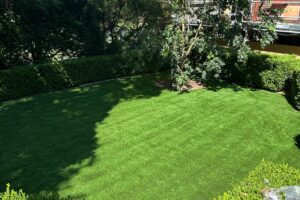
When my customers first install artificial grass in their backyard, they think they are done with mowing, watering, and all that tedious lawn maintenance forever. And for the most part, they are right. The turf looks lush year-round, and my neighbours can’t stop asking me how I keep it looking so fresh. But here’s the thing—artificial grass isn’t completely maintenance-free. If you want it to stay green, clean, and smell-free, you need a plan. Over time, I’ve learned some tricks and developed a routine that really works, and I want to share it with you.
Why Cleaning Artificial Grass Matters
Some people think, “It’s fake, it cleans itself!” Over time, all the built up debris from trees, gardens and the environment can make your turf look dull and feel less soft underfoot. Cleaning your artificial grass isn’t just about appearances—it also helps prolong its lifespan. Debris, dirt, and even mold or algae can damage the backing if left unattended.
My Personal Routine for a Clean Lawn
I don’t do anything fancy. In fact, the simpler your routine, the more likely you are to stick to it. Here’s what I do:
- Regular Brushing: Every couple of weeks, I use a stiff-bristled broom or a dedicated turf brush to brush the grass fibers. The key is to brush against the grain. It keeps the fibers upright, prevents flattening, and helps shake loose any trapped dirt. Brushing also gives the lawn that “freshly fluffed” look, almost like you would with a plush carpet.
- Debris Removal: Leaves, twigs, and small branches inevitably fall on your lawn if you have surrounding trees. I sweep them up or use a leaf blower on a low setting. Pro tip: if you let them sit too long, they can decompose and create organic matter that encourages moss or weeds along the edges.
- Pet Cleanup: I have a dog, and he loves the backyard. Pet messes are a common job with artificial grass maintenance. I always pick up solid waste immediately. For urine, I simply rinse the area with water and occasionally use a pet-friendly turf cleaner. There’s no need to overdo chemicals—just a simple rinse keeps odours down and prevents bacterial build-up.
- Deep Cleaning: Once every few months, I give the entire lawn a deeper clean. I mix warm water with a mild soap and lightly scrub high-traffic areas with a soft brush. Afterward, I rinse thoroughly with a hose. I avoid pressure washers; they can damage the backing if the pressure is too high. Pressure washers may shift the infill sand, creating an uneven surface which is felt underfoot.
Common Mistakes I’ve Learned to Avoid
I’ve made my fair share of errors along the way.
- Using harsh chemicals: Bleach does not solve everything. Bad idea. It fades the fibers in spots and leaves a chemical smell. Stick to mild detergents or cleaners specifically designed for artificial turf.
- Neglecting the edges: Leaves and dirt often accumulate along fences and garden beds. Those corners can start to smell if you ignore them. I use a small hand brush to get into tight spots.
- Overwatering: One of the perks of artificial grass is that it doesn’t need constant watering. At first, I overcompensated, thinking I needed to “rinse” every day. Not necessary. Occasional rinsing is enough to keep the lawn clean and free of dust or pollen. Rain will do the job as well.
Why It’s Worth the Effort
I know what you’re thinking: “It’s fake grass—why bother?” Honestly, it’s worth it because the payoff is immediate. Every time you brush, rinse, and tidy the lawn, it feels like a little slice of perfection. Guests comment on how soft it feels underfoot, and my dog has a safe, clean place to play.
My Go-To Tools
I keep it simple. Here’s what I use:
- Stiff-bristled broom or turf brush
- Leaf blower (low setting)
- Hose
- Mild soap or pet-friendly cleaner
- Small hand brush for edges
That’s it. No fancy gadgets, no harsh chemicals—just consistent, smart maintenance.
Little Tips That Make a Big Difference
- Brush after heavy use: After parties, barbecues, or even a big rain, a quick brush makes the lawn look instantly better.
- Rinse after pollen season: In spring, pollen can settle in the fibers. A simple rinse keeps it from turning the grass yellowish.
- Watch for drainage: If your turf isn’t draining properly, dirt and debris will accumulate. I check mine occasionally and fix minor drainage issues before they become a problem.
Final Thoughts
Cleaning artificial grass isn’t a chore if you do it right—it’s a short, satisfying routine that keeps your lawn looking amazing. Over time, you’ll develop your own rhythm, and it will feel almost therapeutic. Honestly, I enjoy tidying it up. It’s like giving my backyard a little bit of love, and the results speak for themselves.
At the end of the day, artificial grass gives you freedom from mowing, weeding, and overwatering, but it still benefits from a little care. Keep it brushed, rinse it when needed, tackle pet messes promptly, and watch it stay green, soft, and inviting all year long.
Trust me—you’ll thank yourself every time you step barefoot onto a clean, lush artificial lawn.

Leave a Reply
Your email is safe with us.